Today’s Panchang   |   Surya Sthiti   |   Chandra Sthiti   |   Ayan   |   Druk Rutu   |   Tithi |   Nakshatra   |   Karan   |   Yog

Bandhan Nariyal

Bandhan Nariyal – Auspicious Shreephal for Brother’s Well-Being & Divine Blessings

Category:

501.00

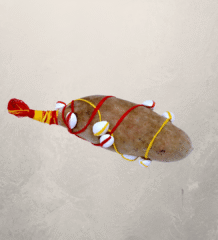
Bandhan Nariyal, also known as Shreephal, is a sacred coconut deeply rooted in Indian ritual traditions.
The word Shreephal literally means “the fruit of prosperity,” symbolizing wealth, auspiciousness, and divine grace.

Traditionally used during brother–sister rituals such as Raksha Bandhan, Bandhan Nariyal is offered with prayers for the brother’s happiness, protection, success, and long life. It represents purity of intention and the blessings of the divine.

Spiritual & Traditional Significance

🪔 1. Auspiciousness & Prosperity

  • Considered a symbol of wealth, abundance, and good fortune.

  • Used with prayers to invite happiness and stability into the brother’s life.

🌸 2. Symbol of Goddess Lakshmi

  • Regarded as a representation of Goddess Lakshmi, the deity of prosperity.

  • Through this ritual, blessings of financial stability and grace are invoked.

🕉️ 3. Connection with Lord Ganesha

  • Coconut is associated with Lord Ganesha, the remover of obstacles.

  • Its use signifies wisdom, smooth progress, and success in life’s endeavors.

🛡 4. Protection from Negative Energy

  • Traditionally believed to absorb negative vibrations and prevent their influence.

  • Acts as a subtle protective shield for the individual and household.

🎀 5. Essential Part of Sacred Tradition

  • Before tying the Raksha thread, the coconut is marked with tilak and tied with kalava (sacred thread).

  • This age-old practice is believed to open the path to good fortune and protection.

When to Use (Traditional Practice)

Bandhan Nariyal is used during Raksha Bandhan or similar protective rituals with devotion and positive intent.

Bandhan Nariyal, also known as Shreephal, is a sacred coconut deeply rooted in Indian ritual traditions.
The word Shreephal literally means “the fruit of prosperity,” symbolizing wealth, auspiciousness, and divine grace.

Traditionally used during brother–sister rituals such as Raksha Bandhan, Bandhan Nariyal is offered with prayers for the brother’s happiness, protection, success, and long life. It represents purity of intention and the blessings of the divine.

Spiritual & Traditional Significance

🪔 1. Auspiciousness & Prosperity

  • Considered a symbol of wealth, abundance, and good fortune.

  • Used with prayers to invite happiness and stability into the brother’s life.

🌸 2. Symbol of Goddess Lakshmi

  • Regarded as a representation of Goddess Lakshmi, the deity of prosperity.

  • Through this ritual, blessings of financial stability and grace are invoked.

🕉️ 3. Connection with Lord Ganesha

  • Coconut is associated with Lord Ganesha, the remover of obstacles.

  • Its use signifies wisdom, smooth progress, and success in life’s endeavors.

🛡 4. Protection from Negative Energy

  • Traditionally believed to absorb negative vibrations and prevent their influence.

  • Acts as a subtle protective shield for the individual and household.

🎀 5. Essential Part of Sacred Tradition

  • Before tying the Raksha thread, the coconut is marked with tilak and tied with kalava (sacred thread).

  • This age-old practice is believed to open the path to good fortune and protection.

When to Use (Traditional Practice)

Bandhan Nariyal is used during Raksha Bandhan or similar protective rituals with devotion and positive intent.

Disclaimer

This traditional item is prepared and offered under the guidance of Ghaisas Guruji, respecting sacred customs.
It is meant to support spiritual well-being and positive living, not for exploiting anyone’s beliefs.

There are no reviews yet.

Be the first to review “Bandhan Nariyal”

Your email address will not be published. Required fields are marked *

Choose These Products For -

100% Authentic

15 Years Trust

Expert Support

Vedic Energized

Book Your Pooja!

Contact Form

Dharma First

“This is not merely an online shop, but a sacred offering. Proceeds sustain Vedic rituals and holy services.”

0
    0
    Your Cart
    Your cart is emptyReturn to Shop